
Why Do I Feel Guilty Setting Boundaries With My Parents?
Why do you feel guilty setting boundaries with your parents? Explore how family expectations, people-pleasing and childhood experiences can make it difficult to say no, and how psychotherapy can help you develop healthier boundaries and greater emotional independence. Sara offers individual therapy online and in person in London.
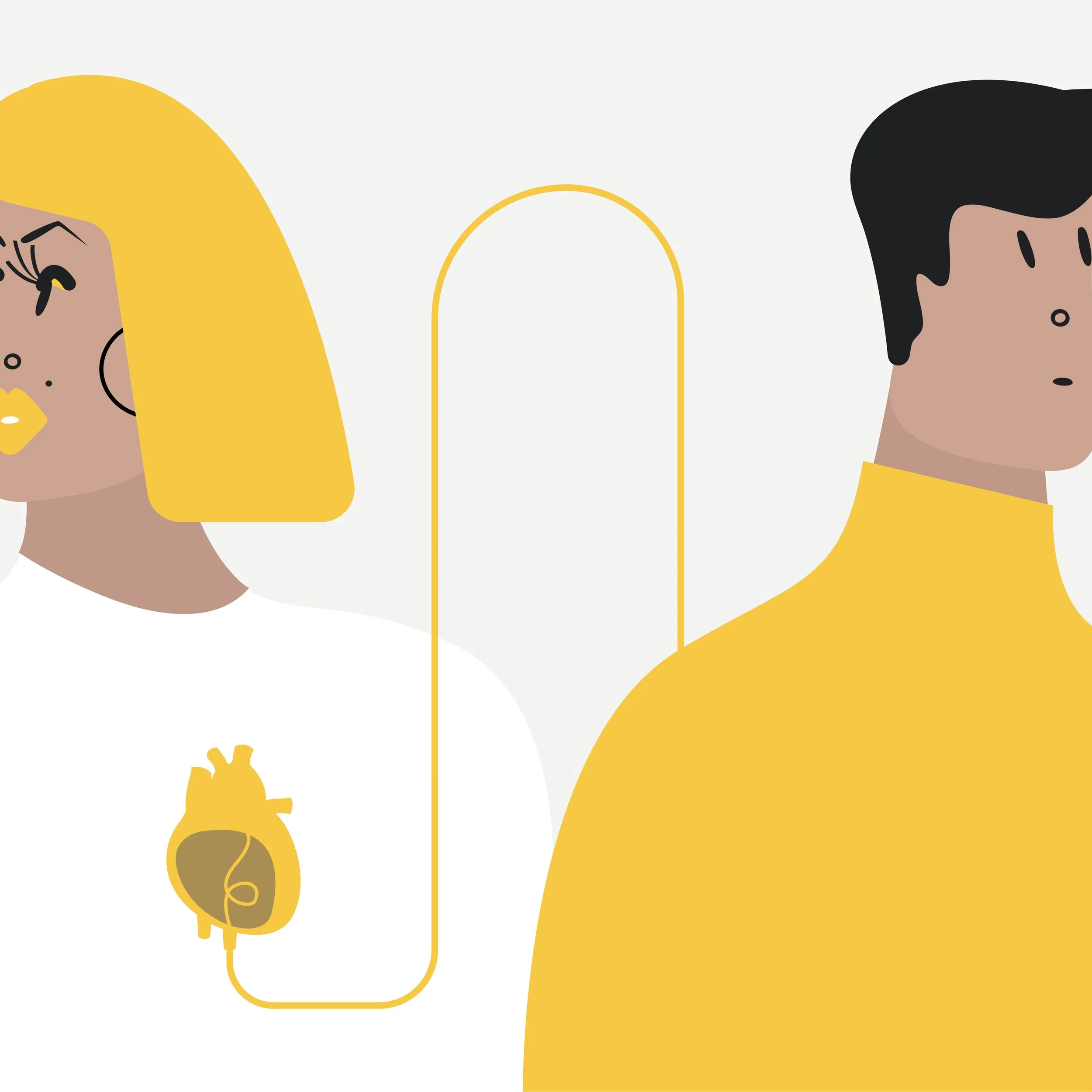
In-Laws and Family Boundaries: How to Protect Your Relationship
Difficult relationships with in-laws can create tension, resentment and conflict within a couple. Explore how to set healthy family boundaries, communicate more effectively and protect your relationship, with support from Sara, a couples and individual therapist offering therapy in London and online.

Understanding Jealousy in Relationships: What Lies Beneath?
Jealousy in relationships can stem from insecurity, fear of abandonment or past experiences of hurt. Explore what lies beneath jealousy, how it affects trust and intimacy, and how Sara’s individual, couples and psychosexual therapy in London, available in person and online, can help you develop greater emotional security and healthier relationships.

Why Can’t I Stop Watching Porn?
If watching porn has become difficult to control, you may be wondering why you keep returning to it. Explore the emotional patterns behind compulsive porn use, the role of shame and relationships, and how therapy can help you develop a healthier relationship with sexuality.

Difficult Relationships With Parents: Understanding the Impact on Adult Life
Do you feel guilty, anxious or emotionally drained after spending time with your parents? Explore why family relationships can remain difficult in adulthood and how psychotherapy can help you find a way forward.

Ted Lasso and Psychotherapy: What Happens When We Hide Behind Positivity?
What lies beneath Ted Lasso's optimism? Explore how the series opens up questions about emotional avoidance, vulnerability and the experience of always being there for others.

Depression and the Search for Meaning: An Existential Perspective
Depression can leave us feeling disconnected from ourselves and the world. An existential perspective explores meaning, identity and how psychotherapy may help us find new ways forward.

Understanding Anxiety: When Worry Becomes Overwhelming
Understand anxiety, explore what may lie beneath persistent worry and discover how psychotherapy can help you develop a different relationship with anxious feelings.

Postnatal Depression: Understanding the Emotional Impact
Explore the emotional challenges of postnatal depression, its impact on relationships and how to find appropriate support.

Separation and Divorce: Navigating the End of a Relationship
Separation and divorce can bring grief, uncertainty and difficult decisions. Explore how couples therapy can help you understand your relationship and navigate the way forward.

Affairs and Betrayal: Can a Relationship Recover?
Discover how couples therapy can help you navigate infidelity, rebuild trust and decide what comes next. Couples therapy in London.

ADHD and Romantic Relationships: How to Improve Communication and Strengthen Your Relationship
ADHD can affect communication, emotional connection and intimacy in romantic relationships. Discover how to navigate common challenges, strengthen understanding and explore how couples therapy can help.

ADHD in Adults: Understanding the Signs, Emotional Impact and How Therapy Can Help
ADHD is about more than distraction or hyperactivity. For many adults, it can affect self-esteem, emotional wellbeing, daily life and relationships in ways that aren't always recognised. In recognition of ADHD Awareness Month, explore the signs of adult ADHD, the challenges of late diagnosis, and how therapy can help you better understand yourself, navigate relationships and develop a more compassionate relationship with who you are.

Why is divorce so lonely?
Divorce is a type of grief and bereavement. It is the ending of something (although the beginning of another thing). This mourning process is complex and grand. Often individuals are faced with a range of feelings such as anger, regret, betrayal, distrust, shame, guilt and loneliness. It can be challenging to express and share this bag of emotions with others, leaving people feeling alone in their grief.

Anxiety in relationships
Anxiety is a common emotion amongst humans, because at its core, its function is to detect threats and danger and therefore protect us. Anxiety keeps us alert. There is a very natural level of anxiety that we need - to be cautious. But then there is another level of anxiety that can debilitate us, as it becomes a disproportionate response to our environment and reality.
In a relationship, anxiety can manifest in a way that challenges the dynamics between two people, leading to many things such as communication breakdown, distance/withdrawal, sexual difficulties and more.

Nervous System healing: Polyvagal Therapy
Polyvagal theory helps people understand and work with their nervous system’s responses to stress, trauma, and connection — especially the way we shift between states of safety, shutdown, or hyperarousal. Polyvagal-informed therapy can also help you track and regulate your nervous system.
This insight can reduce shame and increase self-compassion. You learn to recognize when you're shifting into fight/flight or shutdown, and practice tools to move back into a regulated state. These can include breathwork to calm sympathetic arousal, movement or touch to emerge from dorsal shutdown, voice tone, music, or eye contact to activate safety cues

How long will we have to be in couples therapy?
The type and severity of issues you're coming with, your motivation for change, the length of your relationship and frequency of sessions can all play a factor in how long you need couples therapy for. Communication problems, disagreements about topics such as parenting, finances, career, lifestyle could be worked through within a relatively short time in couples therapy. However, deep chronic issues such as infidelity/affairs, trauma, trust breakdown require longer therapy.

Is it OK to talk about sex in couples therapy?
You should talk about sex in your couples therapy especially if your couples therapist is a psychosexual therapist/sex therapist as well as a relationship therapist. Couples that struggled with emotional intimacy are also likely to struggle with physical intimacy.
Talking about your sexual relationship with your couples therapist is going to help you understanding your needs and boundaries (that might be the root of your communication/relational issues), explore the unmet emotional needs showing up in both your sex life and relational domain. It can also lead to building a healthier and more satisfying connection and bond in your relationship.

Is couples therapy going to save my relationship?
Whilst couples therapy can help your relationship, you cannot lean in too much on the idea that it will "save" your relationship. It is important to be realistic of the various factors and complexities of relationship and power of therapy. Unfortunately, couples therapy is not a magic wand that can put a spell or magic dust on your relationship to save it or "fix it".

Family issues - enmeshment trauma: family won't respect my boundaries
Enmeshment trauma (also seen as over-intimacy or excessive closeness) is a type of emotional trauma that is caused by a lack of clear and healthy boundaries in the family environment and dynamics. Over-intimacy/enmeshment can happen when boundaries (typically between a parent and child) are blurred, overly diffused or even nonexistent. This leads to the child being emotionally fused with the parent's needs, wants, feelings or identity.